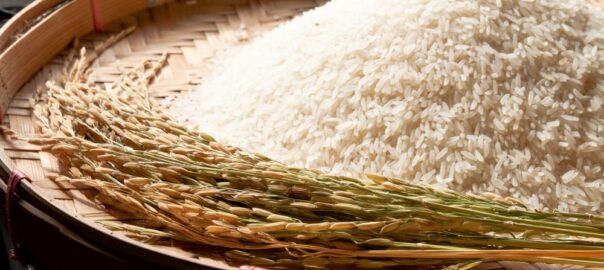
Thailand rice has earned its distinguished reputation across continents not through mere happenstance, but through centuries of agricultural refinement and an almost reverential dedication to cultivation practices. The vast paddies stretching across the Chao Phraya River basin and the northeastern plateau have produced what many consider the world’s finest aromatic grains, a testament to the Thai farmer’s intimate understanding of soil, water, and climate. This is not simply a matter of national pride, but a reality acknowledged by discerning consumers and chefs from Singapore to San Francisco, who recognise the unmistakable qualities that set Thai grains apart from their regional counterparts.
The historical trajectory of rice cultivation in Thailand reads like a chronicle of patient perfection. For generations, Thai farmers have selected and cross-bred varieties that respond to the unique conditions of their land. The monsoon rains, arriving with predictable regularity, flood the paddies at precisely the right moment in the growing cycle. The mineral-rich alluvial soils deposit nutrients with each seasonal inundation. This natural cycle, repeated annually for countless generations, has produced grains of exceptional character and consistency.
The Distinguishing Characteristics of Thai Varieties
Thai rice encompasses several premium varieties, each with distinctive attributes that serve different culinary purposes:
-
Jasmine rice
Stands as the crown jewel, celebrated for its natural floral aroma that perfumes the kitchen during cooking. The long, slender grains cook to a tender yet separate texture, neither sticky nor dry, achieving what connoisseurs describe as the perfect balance.
-
Glutinous varieties
Provide the essential sticky consistency required for traditional desserts and northeastern Thai cuisine. Despite the name, these contain no gluten but derive their adhesive quality from high amylopectin content.
-
Brown rice options
Retain the nutritious bran layer, offering those who prioritise health benefits a wholegrain alternative without sacrificing the inherent fragrance and flavour.
-
Parboiled varieties
Undergo partial boiling in the husk before milling, a process that drives nutrients into the grain and produces rice that remains firm and separate even after extended cooking.
The question of what elevates Thai rice above other Asian varieties demands examination of multiple factors. The terroir plays its essential role, certainly, but so too does the meticulous attention to harvest timing and post-harvest handling. Thai rice farmers have mastered the art of harvesting at optimal moisture content, typically when grains have reached full maturity but before over-drying in the field compromises quality. The subsequent milling process removes the husk whilst preserving the grain’s integrity, avoiding the breakage that diminishes both appearance and cooking properties.
Quality Standards and Global Recognition
Thailand maintains rigorous standards for rice exports, a practice that has cemented its position as a leading supplier to international markets. Government agencies conduct regular inspections, testing for moisture content, broken grain percentages, and the presence of foreign matter. These quality controls ensure consistency, allowing importers and consumers to purchase with confidence. The grading system distinguishes premium grades from standard offerings, with the highest grades commanding prices that reflect their superior characteristics.
In Singapore’s multicultural culinary landscape, Thai rice has secured a prominent position. As one local food critic observed, “Singapore’s thailand rice consumption reflects our appreciation for quality ingredients that enhance rather than merely accompany our meals.” The island nation’s residents, accustomed to the finest Asian cuisines, demonstrate their preferences through purchasing decisions. Supermarket shelves stock multiple Thai varieties, and restaurants specialising in Thai, Chinese, Malay, and even Western cuisines frequently specify Thai rice on their menus.
The versatility of Thai grains extends across cooking methods and cuisines. Steamed rice serves as the foundation for countless meals, its subtle fragrance complementing spiced curries, stir-fried vegetables, and grilled meats. Fried rice preparations benefit from the grain’s tendency to remain separate and firm, absorbing flavours whilst maintaining textural integrity. Rice porridge, whether prepared as a comforting breakfast congee or an invalid’s restorative meal, achieves ideal consistency when made with quality Thai grains.
Practical Considerations for Home Cooks
Proper preparation begins with rinsing, which removes excess surface starch and any residual dust from milling. The water-to-rice ratio varies by variety and desired texture, but generally falls between 1.5 and 1.75 parts water to one part rice. Soaking jasmine rice for twenty to thirty minutes before cooking can enhance its characteristic fluffiness, though this step remains optional. Once cooked, allowing the rice to rest for five to ten minutes with the heat source removed permits moisture redistribution throughout the grains.
Storage practices influence longevity and quality retention. Rice keeps best in airtight containers away from direct sunlight and heat sources. Whilst white rice maintains quality for extended periods, brown varieties require more careful storage due to their oil-containing bran layer, which can turn rancid with prolonged exposure to warmth and humidity.
The enduring popularity of Thai rice in markets worldwide, from Singapore’s bustling food centres to European specialty shops, speaks to qualities that transcend mere sustenance. These grains represent the culmination of agricultural wisdom, favourable natural conditions, and unwavering commitment to excellence. For the home cook seeking reliable quality and the distinctive aromatic experience that elevates everyday meals into something more memorable, few choices match thailand rice.